Thứ Tư, 26 tháng 11, 2014

Get around Phu Quoc Island

Cycling

Most hotels offer bicycle rentals which start from US$1 per day, which can be a great way to adventure around the local area.

We recommend purchasing a face mask before you head off on these longer journeys and take plenty of water. The coastal strip surrounding Phu Quoc makes cycling relatively easy however the island heats up when you get move from the coast . Visit Phu Quoc with South Vietnam tours

Get around Phu Quoc Island

Motorbike Rental

Renting a motorbike is one of the cheapest ways to discover Phu Quoc Island and motorbikes also provide the best access if you are adventuring out to the more remote beaches and dirt roads beyond the main towns. Mekong & Phu Quoc island

Motorbikes can be rented at many of top end and mid range hotels, or you’ll find local owners outside the hotels and airport very keen to either rent their bikes or even adopt you and guide you around the island. Bikes rental rates will vary depending on the condition of the bike and your bargaining skills, here is guide to prices:

Mekong Off the beaten Path with extension to Cambodia 12 days


Per hour, from around 30,000d

Per day, from US$6-10 dollars a day

Per week, around US$45-50 or less depending if you negotiate any discounts.


Note: since the end of 2007, it is now illegal to ride on a motorbike without wearing a helmet, however local police are generally lenient towards tourists. If you are concerned about your safety, insist on a helmet when renting a motorbike.


Walking / Hiking

The centre of Duong Dong is only a couple hundred meters from the airport, just turn right outside the airport gates and you’ll hit the central market in around 10 minutes. So if you don’t have much luggage, this is definitely the cheapest option. There are also some local hotels across the road from the airport terminal.

The coast surrounding Phu Quoc is relatively flat and allows visitors some very scenic walking.

The mountains on the island range from around 300-600 meters and provide far more strenuous trekking.The National Park in the northern part of Phu Quoc is as yet relatively undeveloped in terms of walking trails and forests can be quiet dense. There are plans to build a walking trail in future to Mount Chua (603m) the highest mountain on Phu Quoc Island.

Thứ Ba, 18 tháng 11, 2014

Where To Go In Vietnam: North Or South?

Many who visit Vietnam say it’s one of the most colourful countries in all of Southeast Asia. And they might argue that this is due, in part, to the distinct differences in culture and climate that exist between the north and the south of this spectacular nation.

Whether you decide to spend your time in the north or south may depend on what time of year it is. The north tends to experience cool, damp winters and hot dry summers, whereas the south has more of a consistent tropical climate that is broken by a rainy season between May and November.

The North Vietnam tours – When & Where

An ideal time to visit North Vietnam is between September and December when it isn’t too humid and not yet cold. That said, capital Hanoi tends to be temperate all year round.

Halong Bay
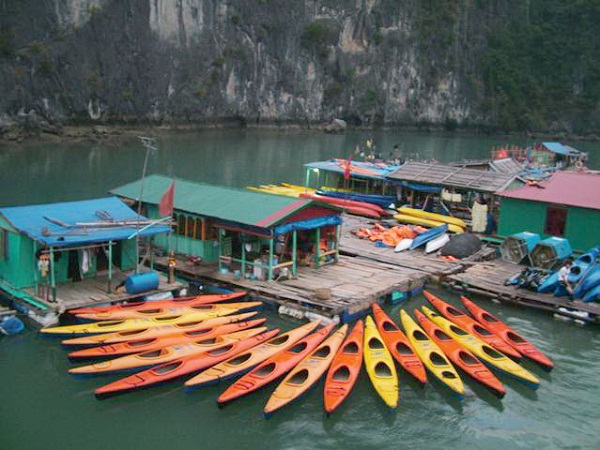
UNESCO listed Halong Bay tours as a World Heritage site due to its outstanding natural beauty and unique biological importance. Visitors who come to Halong Bay encounter formations of limestone islands that jut out of the water and are covered by jungle vegetation. It’s a dramatic sight and looks almost unworldly, as if the islands are floating on the water! Many of the rocks are hollow, with huge caves clustered inside them, and kayaking tours are one of the most popular ways to explore them.

Hanoi
As the cosmopolitan capital of Vietnam, many visitors fly into Hanoi and use it as the starting point to explore the country’s northern regions. Boasting thousands of years of rich history, Hanoi is the place to come to see ancient Buddhist temples, national museums and get a taste of Vietnam’s long and varied traditions. The Old Quarter is well worth a visit. Little-changed since the days of ancient Hanoi, the streets are named after the various trades and retail goods once sold on them.

Sa Pa
If small traditional towns, spectacular mountain views and rice terraces are what draw you to Vietnam, then head to Sa Pa. Buses depart from Hanoi, but you can expect an eight-hour journey. It’s worth it though, as Sa Pa feels like a step back in time to a more traditional Vietnam. The locals are friendly and visitors can trek by verdant rice paddies, dense forests and spectacular waterfalls.

The South Vietnam Tours – When & Where
Visit between December and April during dry season, when the temperature tends to be steadily in the high twenties (Celsius). Having said that, downpours during the rainy season from May to November tend to be short-lived and rarely put travellers off.
Ho Chi Minh City
Ho Chi Minh City is a bustling and at times chaotic place. It’s everything you would imagine from Vietnam’s largest city, only at 10 times the speed! As you fly in, you can see streets of scooters whizzing in and out traffic – so many in fact that streams of red and white lights can be seen from the plane. It’s a wild and wonderful place, with great shopping, a huge variety of dining options and fantastic nightlife. Many visitors come here for a few days of living it up, before heading to a quieter beach town to relax.

Da Lat
If you’re in Vietnam during the hotter months, Da Lat is a great option for a few days of cooler weather. It’s quite unlike anywhere else in Vietnam and is often referred to as ‘the city of eternal spring’. It’s not just the pleasant climate that draws in the crowds either; Dalat is surrounded by rolling countryside, huge waterfalls and forests and was once the playground for the elite of French colonial society.

Get away and relax in Da Lat
Nha Trang
Nha Trang is perhaps the most renowned beach resort town in the south of Vietnam. Popular with expats and international tourists alike, it’s more urban than other beach resorts in Vietnam, and for that reason is a sensible place to head for those who enjoy their creature comforts. You can also head here if you’d like to try a bit of scuba diving too!
Where To Go In Vietnam: North Or South?


Mekong Delta tours
Covering the southwestern portion of Vietnam, the expansive Mekong Delta is simply mind-blowing.  Boat trips down the Mekong River propel you straight into old-world Vietnam, and homestays in the area are becoming a popular option for those who want to really feel like they’re getting away from it all.

Thứ Tư, 5 tháng 11, 2014

Ha Long Squid Ball

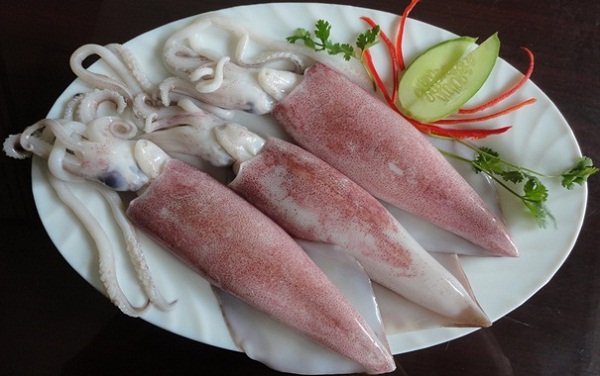
Ha Long Squid Ball- one of the most popular specialties of Quang Ninh has been named in the list of the top 50 recipes of Vietnam, according to the evaluation standard of Vietnamese specialties issued by the Vietnam Guinness Book of Records.

The dried squid ball has a fresh yellow, sweet- smelling and a nice taste
According to a survey’s results in 2012 of the Center for Agricultural Development and Research (under the Vietnam Agricultural Science Institute) in Ha Long city, this traditional dish was discovered in 1946 and was firstly made by Tai Le- a famous chief who served the domestic and international visitors in Hon Gai (during the French colonial period). Hoai Phuong-one of the 3 most well-known squid ball makers in Ha long city, is the one who was taught by Tai Le since 1946 and is now still keeping his old mortar.

Braying is the traditional technique to make the special quality of Ha Long squid ball
To date, Hoai Phuong has over 100 year experience in making squid ball. The owner - Mr. Dang Manh Hiep shared that to be a professional squid ball maker, you must be clever, meticulous, and hardworking. The very first step to make a nice dish of squid ball is selecting the squids. We should choose the squid with fresh and thick carapace on the back with a weight of around 0.8 to 2.0kg.

It is very scrupulous to “operate” the squid, too. We need to omit the bowel and the vesicle, remove all the skin. We should keep the fin on the two sides of the squids because this part would create the crunchy taste after cooked. Then, wash them with the water and slice them into pieces.

If we want the squids to be crunchy and fragrant, we should grind them in a stone mortar by our bare hands. Put the squids into the mortar one by one. It is recommended that we should not make them well kneaded, especially with the fins. In that way, the squid would be stickier and some parts that are not well grinded yet will turn to be very crunchy when you eat. When grinding, add some peppercorns to make them mix steadily with the squid meat because later the squid would stick very hard.

After that, adding some chopped onion, a little bit fish sauce and some spoons of liquid lard and mix them continuously in about 2 minutes.

Depending on the liking of each person, we can create different shapes for the squid ball. However, you should remember to prepare a bowl of water and put a little oil on your hands to prevent them from being sticky with the squid. Using a spoon to take a little squid and then put it in your hands, roll it into a ball and press it.

To fry the squid ball, we should use a sunken pan. Pour the oil into nearly half of the pan. Keep the oil hot, then lower the flame and fry the squid ball. Turn the balls over steadily; keep the flame in a medium level, not too strong, not too weak. When they turn into yellow, take them out and put them on the grill to keep them dry (if not the balls would be very greasy).

Tourists are buying squid ball at Thoan squid ball store.( in Ha Long I Market, Ha Long city)
Squid ball using with sticky rice has already become a famous specialty of the people of Quang Ninh. In Ha Long, there are even chains of street where people specialize in making this dish.

Hiep added that during the tourism season, an average of 70-80 kg of squid ball is sold on regular days and 100kg on peak days. The customers are mainly tourists from Hanoi, Thai Binh, Thai Nguyen...They buy squid ball to give their relatives and friends as a special present from Quang Ninh. Travel to Vietnam

Pham Thi Giang- a tourist from Thai Binh province commented that Ha Long squid ball is a very delicious and unforgettable dish. It can be served with white sticky rice, Cuon cake and fish sauce with pepper. It costs around VND 350,000-370,000/kg.
Ha Long Squid Ball
Ha Long Squid Ball

There are 30 units specialized in making and selling squid ball within Ha Long city; of which 23 units based in Ha Long I market and 7 in Ha Long II market) under a wide range of well-known trademarks such as Thang Hue, Hien Nhung, Tien Chuyen, Kim Thoa, Thoan, Lan Diep, Hoai phuong... Squid ball is also made in hotels, restaurants.... Paradise Cruise. Jasmine Cruise

It is reported that the Ha Long City People’s Committee is considering and drawing geographical indication for Ha Long squid ball. The promotion Halong squid ball product helps to enhance its competitive advantage in the market, protecting its reputation and prestige. This is a good opportunity to introduce this specialty to the national and international market.

Thứ Sáu, 31 tháng 10, 2014

Nhung của hươu nào tốt?

Nhung hươu sao thuộc loại tốt nhất trong những loại nhung của các loài hươu nai. Theo Tây y, nó có tác dụng tốt trong việc bồi bổ sức khỏe, nâng cao thể lực và điều trị các bệnh về thần kinh, tim mạch, tiêu hóa, bài tiết, sinh dục, hàn gắn các vết thương bên trong cơ thể.
Có tác dụng tốt đối với toàn thân, nâng cao năng lực làm việc, giúp ăn ngủ tốt hơn, giảm hiện tượng mệt mỏi, lợi niệu, tăng nhu động ruột và dạ dày, ảnh hưởng tốt đến quá trình chuyển hóa các chất protein và glucid. Chú ý không nên dùng cho người có tiền căn cao huyết áp, tiêu chảy, hẹp van tim, viêm thận...
Thường người ta lấy nhung ở những con hươu giống, nai giống sống hoang dã do săn bắn được (loại này được coi là quí và đắt nhất).
Nhung của hươu nào tốt?

Tuy nhiên vì nhu cầu về nhung nai ngày càng cao trong khi nguồn hươu nai tự nhiên cạn kiệt dần (hoặc có khi săn bắn không đúng lúc nhung đúng tuổi khai thác) nên người ta đã nuôi hươu để lấy nhung và chứng minh nhung của hươu nuôi cũng tốt không kém hươu sống hoang dã.
Ðiều này đã góp phần quan trọng trong việc tìm lối ra cho nhu cầu lộc nhung ngày càng tăng của con người, đồng thời bảo vệ được nguồn hươu nai hoang dã không bị tuyệt chủng do săn bắn.
Tuy ở Việt Nam việc nuôi hươu chưa phổ biến nhưng cũng đã xuất hiện ở các vùng Hương Sơn - Hà Tĩnh, Quỳnh Lưu - Nghệ An, một số nơi ở Tây Nguyên, vườn quốc gia Cúc Phương, đảo Cát Bà, An Giang...
Ngoài ra còn có các sản phẩm nhung hươu nhập từ các quốc gia có nền nông nghiệp phát triển cao như New Zealand và các quốc gia ôn đới.

Mekong delta nightlife

The Mekong Delta was an ancient Khmer territory. The area was mostly marshland and forest. When the Nguyen Lords took control of this region, a series of canals were built and a system of transportation was implemented in the maze of water ways in the area. with Song Xanh cruise

The Mekong Delta is divided into 9 provinces: Long An, Tien Giang, Ben Tre, Dong Thap, An Giang, Vinh Long, Kien Giang, Hau Giang and Minh Hai. The people in this region are made up of Vietnamese and some people of Khmer, Chinese and Cham origin. This accounts for the variety of religions that add to the cultural diversity of this area. Among the religions practiced here are: Buddhism, Catholicism, Cao Dai, Hoa Hao and Islam. Mekong delta tours

Life in Mekong Delta

The southwest region of Vietnam is known for the vast rice fields and the huge plantations that make up the core of this region's economy. The region is also known for the many miles of waterways criss-crossing the land making this area both fertile and unique. South Vietnam tours
Mekong delta nightlife

The people living in the Mekong Delta make their living as farmers and fishermen.

Often, they live right on the edge of the rivers or canals on various structures built from whatever materials found. Consequently, the architecture along the delta varies from place to place.

Often, many homes have fisheries right under them. Enterprising individuals build a cage like structure of bamboo beneath their homes on these waterways to house fishes. As the fishes grew, they sell the whole batch to processors from the city and start with new ones.

Life in the delta is tightly woven with its rivers as daily activities and businesses are conducted on its banks. Markets, stores, ship yards, repair shops are some of the more popular trades.

A homestay among the people of the Mekong Delta is an unforgettable experience and can give you a unique insight into the day-to-day lives of the local people. The bulk of the local people here make their living from growing fruit or cultivating rice.

Many of the homes that are open to Western visitors are on the banks of the Mekong River. When you reach the home of your host family, you should remove your shoes. Most families also prefer women to be well covered up.

In traditional houses, the sleeping area is open plan and has hammocks and wooden beds with mosquito nets hanging overhead (before the last rays of the sun disappear slap on plenty of repellent, as mosquitoes are rampant throughout the area).

A typical supper is the local favourite, elephant-ear fish, served beit upright on a bed of greens with flourishes of carrots shaped as water flowers. The flesh of the fish is pulled off in chunks with chopsticks and wrapped into a rice-paper pancake and dipped into sauce. This is accompanied by crispy spring rolls, followed by soup and rice (Mekong rice Is considered the most flavoursome).

After dinner some families exchange stories and songs over bottles o( rice wine long into the night, while others cluster around the TV.

The morning starts as the first lights flicker across the water. Before breakfast, everyone takes a bath with the family. Splashing around in the muddy Mekong, fully dressed, can leave you feeling dirtier than when you started! After a hearty breakfast you say your goodbyes and head back to Vinh Long via the floating market.

Thứ Tư, 22 tháng 10, 2014

Yen Duc Village

Yen Duc Village is about 60km to the west of Halong Bay on the way from & to Hanoi. Besides the Halong Bay cruise trip, on the way from Halong Bay to Hanoi, you can consider a short trip to Yen Duc Village – a typical Vietnamese agricultural village which is rich in culture and traditions. Yen Duc village is a beautiful village in the North of Vietnam, the village has immense rice fields, Kinh Thay river,  many ponds, gardens in the local houses. The local life is kept away from noisy outside. Yen Duc Village has many historical monuments and a famous ancient pagoda named Canh Huong which contains cultural and historical values dated back to Ly and Tran dynasty in the village, all the alley roads are very clean with unique stone walls, especially the local villagers are very friendly, honest and extremely hospitable. Visit Halong Bay with V'spirit cruise Halong bay

At the moment, there are 3 tour options: 2 hour tour; 3,5 hour tour ( with lunch) and 5,5 hour tour ( with dinner). The 2 hour tour and 5,5 hour tour option will be suitable for Halong Bay cruises which check out at 12:00 to arrive Yen Duc village at 2:00pm while 3,5 hour option will fit the  cruise check out time at 10:00 from Halong Bay to arrive Yen Duc at 12:00 for lunch. If you have time, the 5.5 hour tour can be a good extra experience awith gardening, fishing and a dinner in the village. It is 1,5 hour driving to the village for this tour then 2 more hour to Hanoi. Read more Halong Bay map

V'spirit cruise Halong bay

Joining a trip to Yen Duc village is a great chance to visit the charming fields, a holy pagoda, a historical site and other relic sites while wandering narrow alleyways in the odorous fresh air and talking with hospitable local people. With a convenience graphic location, Yen Duc Village is a good link with unique experience for the customers after Halong Bay cruise.


Yen Duc village is in Dong Trieu town and 60km West of Halong city. The village was recognized as a national relic in 1993.

Yen Duc is a beautiful village with poetic scenery, charming rivers, historical mountains and sacred legends and relics related to Ly and Tran dynasty.

Considered as a “Stone wall” under the war, the village was a cradle of revolutionary movements with many brave, ingenious heroes and local people sacrificed to protect their hometown. Over the years, their names are still alive together with each famous mountain, river and pieces of land here.

Similar to other rustic countryside, the local people here are very diligent, gentle and optimistic.

Currently, Yen Duc village is one of the few villages in the Delta still retain traditional agricultural features and beauty with the golden rice fields in harvesting time, the gardens of area trees in the sun and the ponds below the green gourd platforms.

Thứ Tư, 15 tháng 10, 2014

Kayak in Halong Bay

Halong Bay attracts thousands of passengers every month. Nearly five hundred cruises run every day and hundreds of passengers stay on board every night.
Halong Bay is famous for its natural beauty and thousands of limestone islands and islets.When you are on board, you admire the majestic beauty of the Bay but when you GET closer to the limestone islands, discover the beauty yourself, you admire its nature. But… how to get closer? The best way is joining kayaking activity. Halong bay tours

Kayak in Halong Bay?
  • This is a small, relatively narrow, human-powered boat primarily designed to be manually propelled by means of a double blade paddle.

How to use a kayak?
  • Kayaking is generally assumed to be very safe in these calm waters of Halong Bay but there is still some areas and warning that you should avoid and listen to the tour guide. Kayaking is not difficult; however, to enjoy it completely, you need some tip: 
  • Paradise Cruise

  • Jasmine Cruise

Preparation do not skip this stage
  • Suitable clothes: T-shirt and short, swimming suit in the summer; warm clothes in the winter; wet shoes, hat, sunglasses
  • Necessary things: Water, sun cream, dry bag, camera, insect repellent
  • Life vests
Medical box and food (for the long duration)
  • Follow your tour guide: it is very important
  • Listen to the route, time and rules
  • Learn how to use the kayak even it is not your first time kayaking, wear the life vest and use the dry bag
  • Strictly follow the leader (tour guide) about the moving rules
  • Check with your tour guide the weather, tide and wind strength to have the best and safest route.
  • Keep a suitable distance with the others, not too far, keep in sight with the others
  • Keep away from the places which have strong flow, against the wind; take advantage of the wind strength and flow.
What about the children?
  • Follow the tour guide and their parents
  • Sit still in the kayak, do not move in front of or behind
  • Wear the life vest
  • Wear the hat and sun cream
Handle unexpected situations:
  • Adjust the speed of the whole group if any of the member is out of sight
  • In case the kayak capsizes, passengers need to swim a bit, and then take the water out of the kayak with the help of the tour guide. He will catch thekayak; take the water out by putting your kayak on his in the T- shape. After that, he will put the kayak back into the water; keep it still so that passengers can be on the kayak again.
  • If there is an expected storm, find the safest place in the sheltered areas, beaches… to avoid the storm. In case passengers are in the middle of the sea and cannot find a safe place, passengers need to be gathered to make a raft
  • If you are not sure about the route you are going, you should keep in touch with the others and paddle around the mountain, you will not be lost. Passengers should know for sure the route, search on the map.
  • It is better if passengers have mobile phone, radio or any means of communication (often for professional kayakers)